Understanding CNC Machined Stainless Steel Parts
CNC machined stainless steel parts are integral components across various industries, known for their durability, precision, and versatility. These parts are manufactured using Computer Numerical Control (CNC) machining, a process that allows for high degree of accuracy and efficiency in producing complex geometries. As industries increasingly demand custom parts that can withstand harsh conditions, the importance of understanding these components becomes paramount. When exploring options, cnc machined stainless steel parts provide comprehensive insights and solutions tailored to specific industrial needs.
What are CNC Machined Stainless Steel Parts?
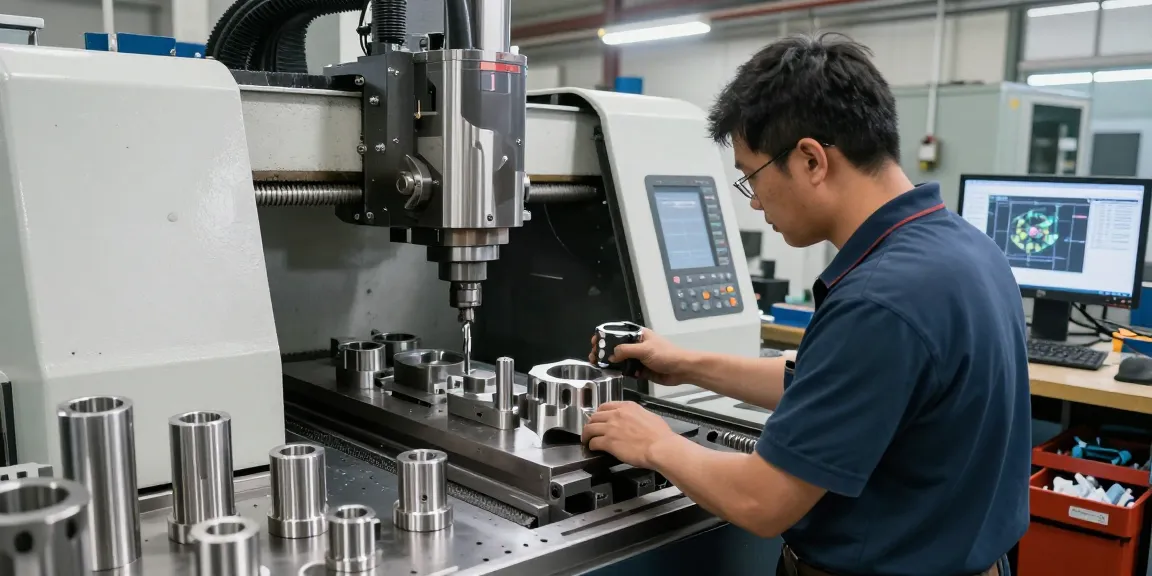
CNC machined stainless steel parts refer to components crafted through CNC machining processes using various grades of stainless steel. The technique employs automated machinery controlled by precise computer programming to shape and fabricate parts from stainless steel blocks or sheets. This method ensures that each part meets stringent design specifications while allowing for rapid production and scalability.
Benefits of Using Stainless Steel for CNC Machining
Stainless steel is a preferred material for CNC machining due to its exceptional properties, including:
- Corrosion Resistance: Stainless steel can withstand harsh environmental conditions, making it ideal for outdoor applications and industries such as food processing and pharmaceuticals.
- Strength and Durability: The material is known for its strength-to-weight ratio, ensuring parts can perform effectively under load without deformation.
- Versatility: With various grades available, such as 304 and 316, stainless steel can be tailored to meet specific requirements, from structural integrity to aesthetic qualities.
- Low Maintenance: Stainless steel components generally require less maintenance, reducing long-term operational costs.
Applications of CNC Machined Stainless Steel Parts
These parts are utilized across a multitude of applications, including:
- Medical Devices: CNC machined stainless steel parts are crucial in medical instruments and implantable devices due to their biocompatibility and sterilization capabilities.
- Aerospace Components: The aerospace industry favors stainless steel for its strength and lightweight properties, particularly in components that require high precision.
- Food and Beverage Processing: Equipment used in this sector must comply with strict hygiene standards, and stainless steel is an ideal choice due to its non-reactive surfaces.
- Automotive Parts: Many automotive applications rely on CNC machined stainless steel for reliability and performance in engines and structural components.
Key Techniques in CNC Machining
Introduction to CNC Machining Processes
CNC machining encompasses various processes to fabricate parts, including milling, turning, and drilling. These processes are selected based on the desired part geometry and material properties. For instance, milling is often used for creating complex shapes, while turning is preferred for cylindrical components.
Best Practices for Precision Machining
To achieve optimal results in CNC machining, several best practices should be observed:
- Tool Selection: Using appropriate cutting tools that match the material and desired finish is critical for precision machining.
- Machine Calibration: Regularly calibrating CNC machines helps maintain accuracy and prevents errors during production.
- Program Verification: Before running a batch, it's essential to simulate the CNC program to identify any potential issues that could affect part quality.
Common Techniques for Stainless Steel Machining
Working with stainless steel requires specific techniques to mitigate challenges such as tool wear and heat generation. Techniques include:
- High-Speed Machining: This approach increases the cutting speed to reduce cutting time, but it requires advanced tooling to manage heat.
- Coolant Utilization: Employing appropriate coolants can help reduce friction and heat, prolonging tool life and maintaining part integrity.
- Optimized Feed Rates: Adjusting feed rates based on material grade and cutting tool type is essential for achieving the desired surface finish.
Challenges in CNC Machining of Stainless Steel
Addressing Tool Wear and Material Properties
Tool wear is one of the critical challenges in CNC machining of stainless steel. The high hardness and strength of the material can lead to rapid wear on cutting tools. To combat this, manufacturers often choose high-quality tools made from carbide or similar materials, which are designed to withstand the rigors of machining stainless steel.
Managing Tolerances and Quality Control
Maintaining tight tolerances is crucial for the functionality of machined parts. To ensure quality, manufacturers implement rigorous quality control measures, including:
- In-Process Inspection: Regular inspections during the machining process help catch deviations early.
- Post-Production Testing: Comprehensive testing of finished parts ensures they meet specified tolerances and performance standards.
Overcoming Production Costs and Time Constraints
Production costs can escalate due to the complexities involved in machining stainless steel. To mitigate these costs, companies may invest in advanced CNC machinery, adopt lean manufacturing principles, and optimize supply chain logistics. These strategies not only reduce production time but also enhance overall efficiency.
Future Trends in CNC Machined Stainless Steel Parts
Innovations in CNC Machining Technology
The CNC machining industry is continually evolving with innovations such as additive manufacturing and advanced robotics. These technologies promise to enhance precision, reduce waste, and streamline the production of CNC machined stainless steel parts.
Sustainability and Eco-Friendly Practices
As environmental concerns grow, the CNC machining sector is placing a greater emphasis on sustainability. This includes using eco-friendly materials, recycling scrap metal, and adopting energy-efficient practices to minimize the carbon footprint of manufacturing processes.
Predictions for the CNC Machining Industry in 2026
Looking ahead to 2026, experts predict significant advancements in automation and artificial intelligence in CNC machining. These technologies will likely improve precision and efficiency while allowing for more flexible and scalable manufacturing solutions to cater to the growing demand for customized products.
Case Studies: Successful Implementations
Manufacturers Leading the Way in CNC Machining
Several leading manufacturers have set benchmarks in the industry by innovating their CNC machining processes for stainless steel. For instance, companies specializing in aerospace components have adopted high-speed machining techniques that significantly reduce lead times while enhancing part quality.
Real-World Applications of CNC Machined Stainless Steel Parts
Real-world instances highlight the importance of CNC machined stainless steel parts, especially in critical sectors like defense and medical technology. Projects that require stringent reliability standards depend heavily on these components, showcasing their essential role in product performance.
Lessons Learned from Case Studies in Industry
Through various case studies, it has become evident that investing in technology and skilled workforce development results in better quality and lower operational costs. Companies that embrace continuous learning and adaptability are often the most successful in the competitive landscape of CNC machining.
What Are the Benefits of CNC Machined Stainless Steel Parts?
The advantages of using CNC machined stainless steel parts are numerous, including enhanced durability, precise manufacturing capabilities, and reduced maintenance needs. These features contribute to lower overall lifecycle costs, making them an attractive option for manufacturers across various sectors.
Where to Find Custom CNC Machined Parts?
Finding a reliable source for custom CNC machined parts involves researching various manufacturers, understanding their capabilities, and requesting samples or prototypes to evaluate quality. It's beneficial to look for companies that specialize in stainless steel machining and have a proven track record in the desired application area.
How to Choose the Right CNC Machining Service?
Selecting the right CNC machining service requires careful consideration of several factors, such as:
- Expertise in the specific material and application
- Quality assurance processes in place
- Turnaround times and production capacities
- Customer testimonials and case studies
What Are the Costs Associated with CNC Machined Parts?
The costs related to CNC machined parts can vary significantly based on complexity, material choice, and manufacturing processes. Typically, factors such as tooling, labor, and overhead contribute to the final price. Understanding these variables allows manufacturers to budget effectively and explore cost-saving options.
What Industries Benefit Most from CNC Machining?
Industries that benefit significantly from CNC machining of stainless steel parts include aerospace, automotive, medical, and food processing. Each of these sectors values the precision, reliability, and durability that CNC machined parts offer, ensuring optimal performance under demanding conditions.